How to Maintain Mental Sharpness: Neurologist’s Advice on Preventing Dementia
Neurologist Oleg Taneev outlines five essential habits to reduce the risk of cognitive decline, emphasizing physical activity, diet, and social engagement.
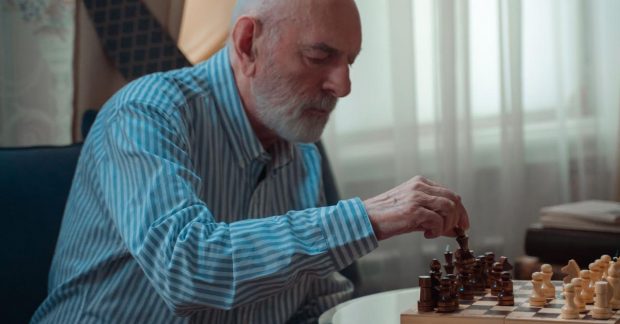 👥Society
Photo: UNIAN
Key points
- At least 150 minutes of weekly activity improves brain blood flow
- Mediterranean diet and mental challenges build neural resilience
- Managing blood pressure and sugar is vital for prevention
Dementia is not an inevitable part of aging; a conscious approach to one's lifestyle can significantly delay or even prevent cognitive impairment. Neurologist Oleg Taneev emphasizes that while genetics and age play a role, there are proven methods to support brain functionality. For residents of Zhytomyr, where active longevity is becoming increasingly relevant, these recommendations serve as a practical guide to maintaining quality of life.
Physical Activity and Chronic Condition Management
Brain health is directly linked to the state of the vascular system. The doctor recommends dedicating at least 150 minutes per week to moderate physical activity. This can include Nordic walking in local parks, swimming, or regular strolls. "The brain needs a normal blood supply", the specialist notes, adding that movement positively affects vascular health and metabolism.
In addition to exercise, it is critically important to manage arterial hypertension, diabetes, and cholesterol levels. These conditions affect not only the heart but also brain health. Regular blood pressure checks and following medical advice for chronic diseases form the foundation of dementia prevention. Obesity and smoking are also significant risk factors to be avoided.
Nutrition and Intellectual Challenges
The doctor suggests following the principles of a Mediterranean-style diet: more vegetables, fruits, legumes, whole grains, nuts, and fish. At the same time, one should limit salt, sugar, and ultra-processed foods. Continuous learning is equally vital: reading, learning foreign languages, or playing musical instruments creates new neural connections.
- Socialization: Face-to-face communication and volunteering prevent the isolation that triggers cognitive decline.
- Sleep Hygiene: A regular schedule and addressing issues like snoring or insomnia are critical for brain recovery.
- Sensory Health: Timely correction of vision and hearing allows individuals to remain active participants in society.
Oleg Taneev also warns against taking supplements or "memory vitamins" without a prescription. Without a confirmed deficiency, their effectiveness in preventing dementia remains unproven. Quitting smoking and avoiding excessive alcohol consumption remain basic requirements for long-term cognitive health.
Source UNIAN — unian.ua/health/demenciya-yaki-zvichki-dopomozhut-zniziti-rizik-zah… ↗
Read next
 🇺🇦Ukraine
Trump administration pushes for Ukraine-Russia peace deal by January
Donald Trump's team is accelerating diplomatic efforts to secure a peace agreement before the new US Congress takes office.
 🇺🇦Ukraine
EU to Provide €1 Billion in New Military Aid to Ukraine
European Union countries have agreed to allocate 1 billion euros for the joint procurement of military equipment for Ukraine via the European Peace Facility.
 🇺🇦Ukraine
Russian Foreign Ministry responds to Kaja Kallas's potential role in Ukraine peace talks
The Russian Foreign Ministry has expressed strong opposition to the potential involvement of EU diplomat Kaja Kallas in peace negotiations regarding Ukraine.
 🏛️Politics
European leaders consider Moscow visit conditional on substantive negotiation role
European representatives are willing to engage in talks with Russia only if they are granted a meaningful role in the negotiation process.
 🏙️City
Kyiv Launches Transport Tracking System Resilient to EW and Air Alerts
The Ukrainian capital has introduced a new transport monitoring system that remains operational even during satellite navigation disruptions caused by electronic warfare.
 🛡️Security
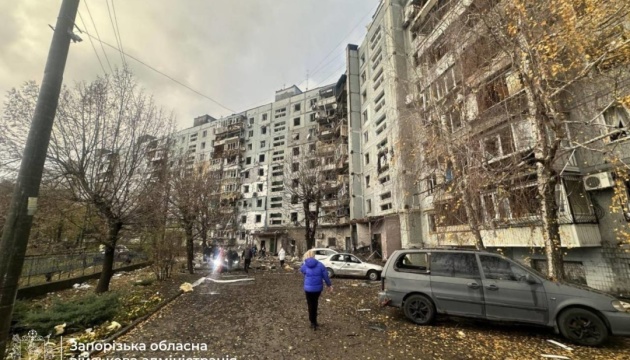
Casualties rise to ten following Russian attack on Zaporizhzhia
Ten people have been injured in an attack on Zaporizhzhia, with residential buildings and infrastructure sustaining damage.